
 OpenReview
Ongoing & Published Research
Submitted1

Automatic Speech Recognition Performance in Psychiatric Speech: Linguistic, Clinical, and Architectural Factors
Abstract
Automatic speech recognition (ASR) is essential for automated speech analysis pipelines in psychosis-spectrum disorders, yet performance on clinical speech remains understudied. We evaluated three architecturally distinct ASR models (Whisper large-v2, Canary-1B-v2, Parakeet-TDT-1.1B) on speech from 145 participants (92 psychosis-spectrum, 53 healthy controls) across seven speech tasks ranging from structured Reading Recall to spontaneous Free Speech. Word error rate (WER) was comparable between Whisper (12.1%) and Canary (12.2%), while Parakeet showed higher errors (21.8%, p < 0.001). Whisper and Canary showed higher semantic fidelity than Parakeet (BERTScore F1: 0.94 vs. 0.91, p < 0.001) and lower phonetic and semantic hallucination scores (p < 0.001). Task type was the strongest determinant of WER across all models; structured Reading Recall gave the lowest and spontaneous Free Speech the highest WER for every model. Patients showed modestly elevated WER for Parakeet, with significant diagnostic-group differences only in specific tasks. Sex and age effects on WER were small, reaching significance only for Parakeet (males; p_bonf = 0.028) and Canary (age). Positive and Negative Syndrome Scale (PANSS) scores did not significantly predict WER for Whisper or Canary, but Parakeet showed significant positive correlations with symptom severity. Second formant bandwidth variability correlated with WER. Disfluency preservation was low (recording-level means: Whisper: 21.8%, Parakeet: 4.1%) but significantly higher in patients than controls (without ah and oh, only for Canary), a difference mediated by loudness variability for disfluency but not WER. Findings are limited to English-speaking populations. In this sample, Whisper and Canary performed comparably; Whisper preserved disfluencies most.
Accepted1
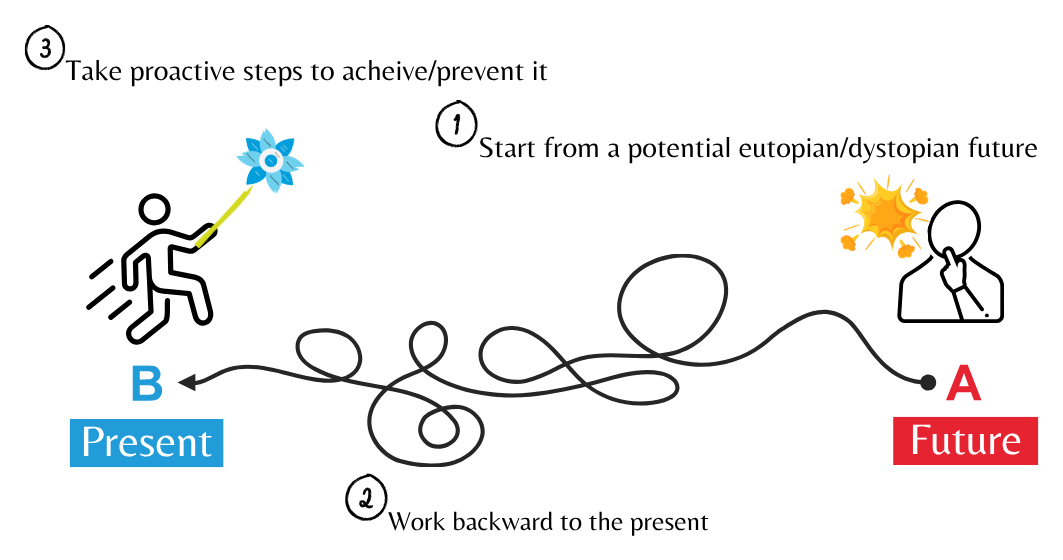
Futures Before Failures: Design Fictions for Anticipatory Fairness in Surgical AI
Abstract
Surgical AI is no longer a promise on the horizon. Platforms combining robotic assistance, mixed reality navigation, and real-time decision support are entering operating rooms. Yet the values embedded in these systems, the choices about whose data they train on, whose bodies they optimise for, and whose autonomy they quietly override, are rarely considered before deployment or revisited as these systems evolve. We present VIRTUES (Values and Impact for Responsible Technological Use in Environments of Surgery), a framework for anticipatory fairness evaluation in surgical AI. VIRTUES was developed through a focus group, thematic analysis, and design fictions following a fictional surgical AI platform across three temporal horizons, then evaluated by ten independent raters using structured valence coding. Across these horizons, we find that the most consequential design decisions are neither clearly beneficial nor harmful, but Mixed, simultaneously advancing some values while eroding others. Left unresolved, these tensions accumulate until they become the structural conditions of care. By surfacing these tensions before they become embedded in practice, VIRTUES supports anticipatory fairness evaluation throughout the surgical AI lifecycle.
Published1
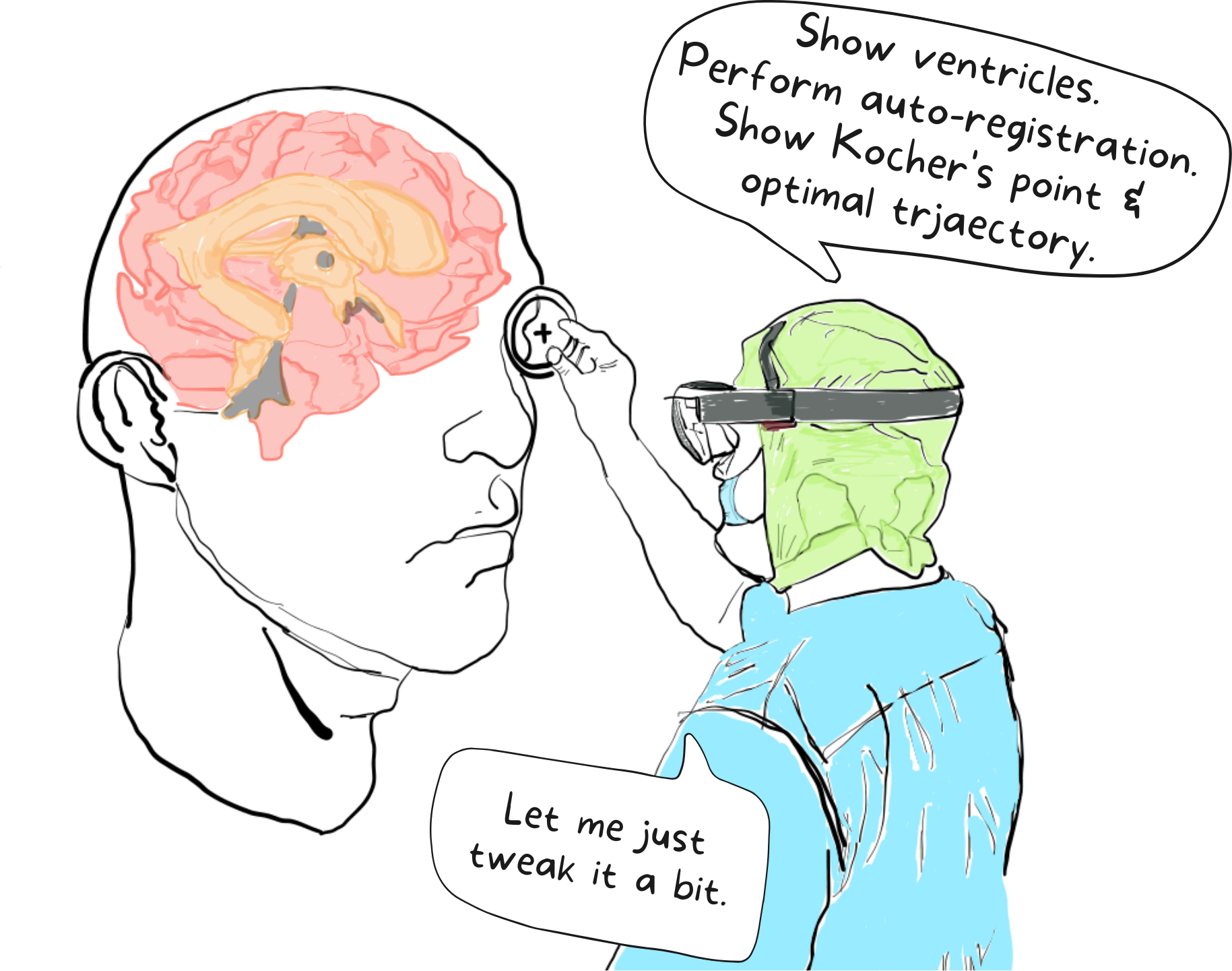
User-Centered Design for Surgical Innovations: A Ventriculostomy Case Study
Abstract
A lack of multidisciplinary collaboration during the design phase of surgical innovation development often ignores the people whom we are developing for and therefore omits meaningful and relevant user insights that can potentially be gathered about the context-of-use of a product. To mitigate this issue, we propose a user-centered design approach to developing surgical solutions. End-user involvement during product design has been linked to the development of more useful and usable solutions as it helps create a smooth transition between research, environment, and daily practice. In this paper, we describe the user-centered design process and give an example of how it can be incorporated to enhance the development of surgical innovations. As a case study, we focus on one of the most commonly performed and error-prone neurosurgical procedures, ventriculostomy.
In Preparation4
Whose Values Matter? Ethical Pluralism and Public Attention in Healthcare AI
Abstract
Coming soon.
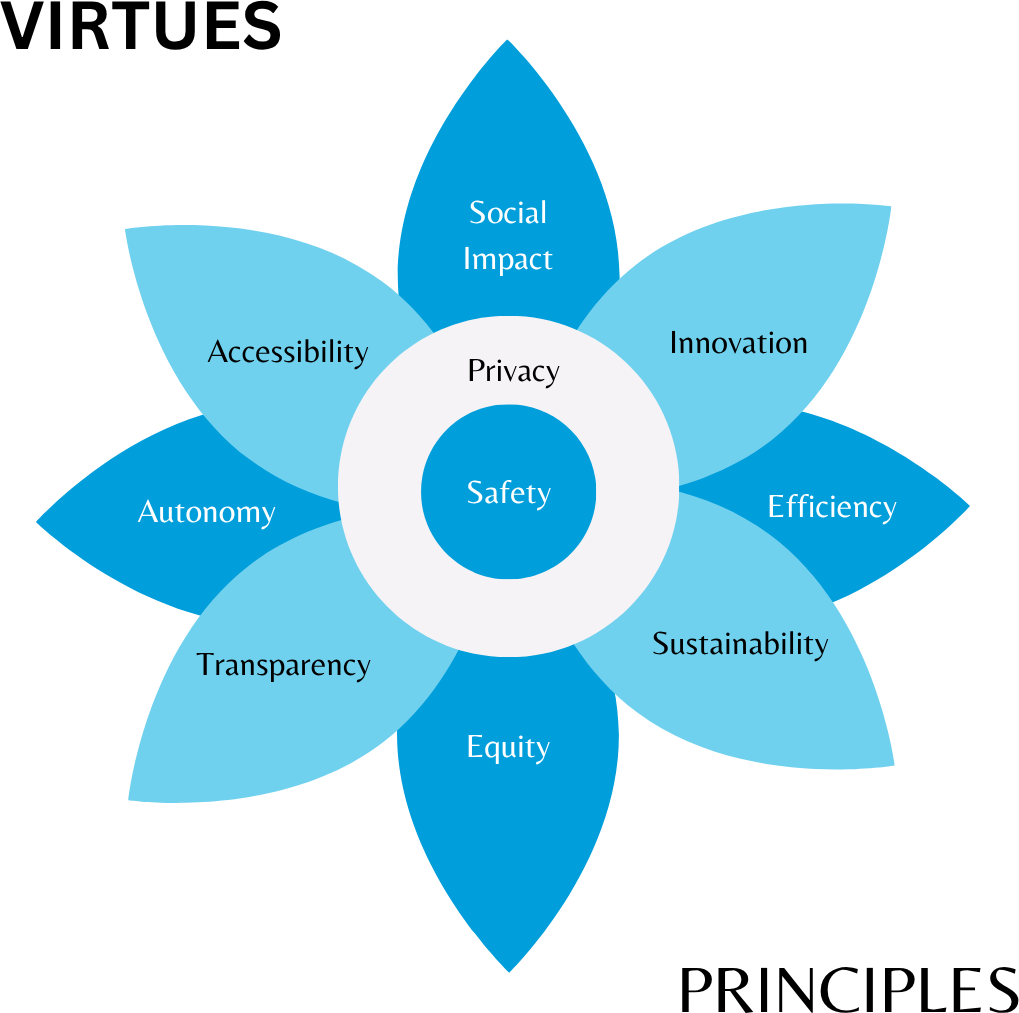
VIRTUES: A Design-Fiction Framework for Eliciting the Values of Sustainable, Responsible Surgical Innovation
Abstract
The rapid advancement of medical and surgical technologies offers tremendous opportunities, but it also presents significant challenges. As innovations like AI-driven systems, robotic surgery, tissue engineering, and mixed reality become more prominent, it is crucial to consider their societal, ethical, and global implications. This paper explores the use of design fictions, a speculative thinking approach, to envision potential futures shaped by technological advancements in healthcare. We introduce VIRTUES (Values and Impact for Responsible Technological Use in Environments of Surgery), a ten-principle framework aligned with the United Nations Sustainable Development Goals (SDGs) to provide a global evaluation tool. Through fictitious scenarios, we examine how innovations might have unforeseen repercussions and explore their potential benefits, unintended consequences, and long-term challenges. The VIRTUES framework helps assess their impact across its ten principles, focusing not only on technical performance but also on issues like accessibility, equity, privacy, and the dehumanization of care. In doing so, we emphasize the importance of responsibility and foresight in technological development. We argue that using design fictions to envision future possibilities reaffirms human agency, challenges technological determinism, and guides medical advancements, ultimately paving the way for a just and accessible future for all.
Celebs4PD: A Demographically Matched Corpus of Longitudinal, In-the-Wild Speech for Responsible Parkinson’s Detection
Abstract
Coming soon.

From Speech Biomarkers to Clinical Practice: Participatory Foresight for Responsible AI Deployment in Parkinson’s Disease
Abstract
Coming soon.